

White – Riesling
A sophisticated Riesling, pale gold in color reflecting its youth and freshness with bright aromas of white nectarine, pears and citrus blossoms. On the palate, there are notes of honeycomb, lemon and red grapefruit. The finish is crisp and lingering, leaving a refreshing impression, inviting another sip.
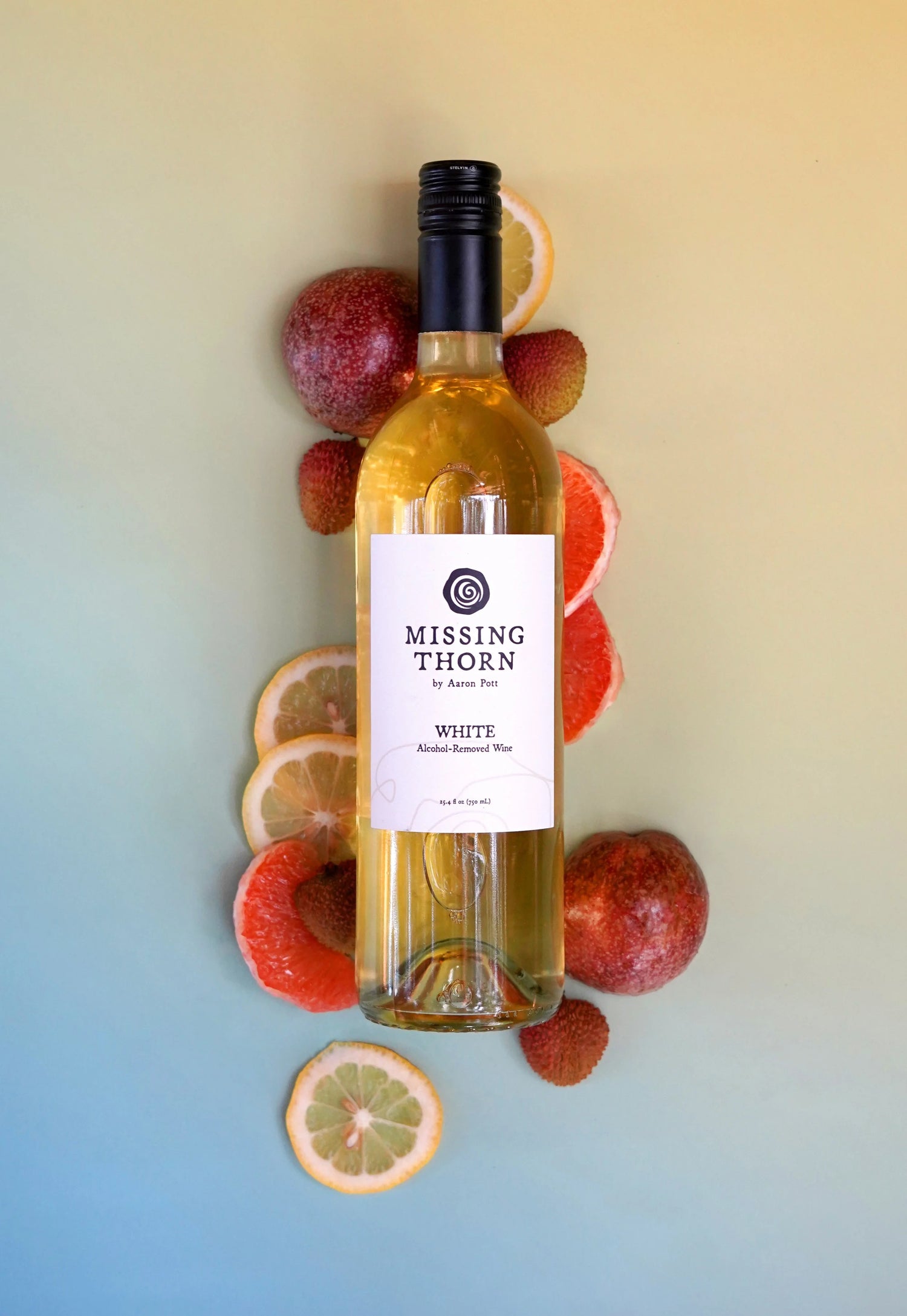
Classic White
A sophisticated white Albariño with an aromatic profile of lychee and passionfruit. On the palate, tropical flavors shine, balanced by refreshing lemon zest and grapefruit. The wine’s vibrant, crisp acidity is artfully complemented by the subtle sweetness of honeydew. The finish is crisp and refreshing, making every sip a chance to extend the enjoyment and elevate your experience.
Serving Suggestions


Pairings
Production Details
Gently whole cluster pressed, cold settled, fermented in a stainless-steel tank, no malolactic fermentation. No cooperage - 100% stainless steel.
Missing Thorn is made from real wine, then gently de-alcoholized using a low-temperature vacuum distillation process designed to retain as much character from the base wine as possible. But removing alcohol changes a wine. It impacts texture, structure, and palate weight, which is why the work does not stop once the alcohol is gone. Our approach is to thoughtfully rebuild the wine using naturally derived ingredients that bring back dimension, body, and complexity. Rather than simply removing alcohol and calling it finished, we take the additional step of shaping the wine into something more complete, balanced, and compelling in the glass.